Autonomous industrial cleaning robots are moving from “nice idea” to everyday equipment for serious facilities. When floor areas are huge and labour is tight, the sites that automate first simply run smoother, safer and cheaper than those still relying on mops and walk-behind machines.
1. The real problem with traditional floor cleaning
Autonomous floor cleaning sounds like a future project until you look carefully at how much time your team already spends pushing machines.
Typical patterns:
- Long warehouse aisles mopped at the end of a shift
- One or two walk-behind scrubbers that only run when the “right” operator is on
- Cleaning teams staying back to finish floors after production or trading
This leads to predictable problems.
Inconsistent results. Standards depend on who is working that night and how rushed they are. Corners, edges and low-priority areas simply miss out.
High labour cost. Too many paid hours are tied to low-value tasks like pushing a machine up and down predictable paths.
Fatigue and manual handling risk. Long, repetitive shifts with heavy equipment put pressure on staff and increase injury risk.
Safety exposure. Wet patches, dust build up and small debris all lift slip and trip risk. One incident can easily wipe out any short-term saving from running with a lean team.
At the same time, facility managers are under pressure to keep sites cleaner and safer with fewer people. Manual methods and traditional machines just do not scale well. In complex commercial buildings and carpeted areas, a high-quality commercial floor scrubber is often still the most efficient choice.
This is exactly the gap that a well-chosen autonomous floor cleaning robot fills.
2. What autonomous industrial cleaning robots actually do
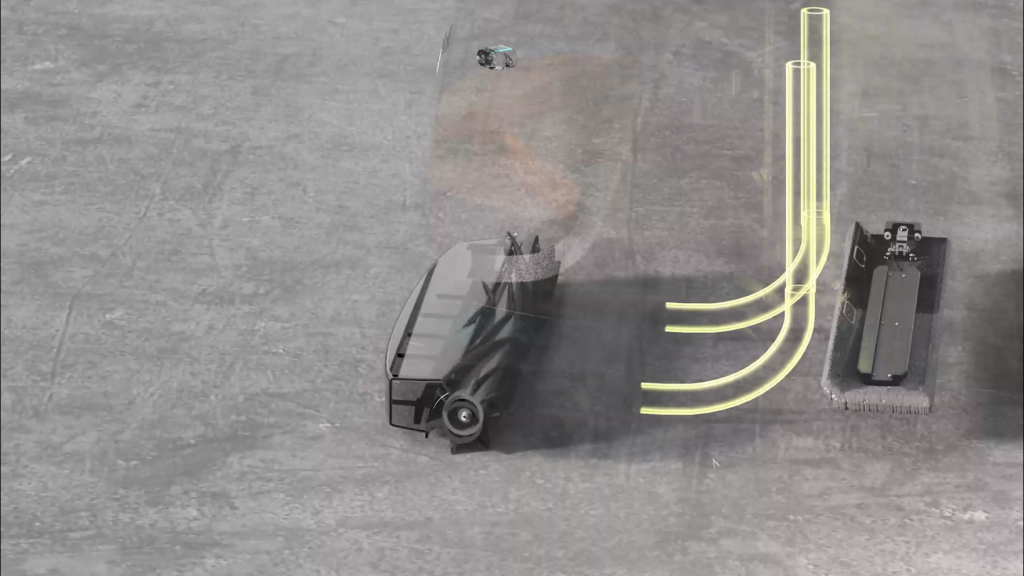
An autonomous floor cleaning robot is not a toy vacuum. It is a self-driving cleaning system that takes over the repetitive, predictable sections of your floor so people can focus on higher value work.
Most commercial floor cleaning robots from FloorBotics share core capabilities:
- Autonomous navigation. Robots map the area, plan efficient routes and adjust in real time as they meet people, pallets and forklifts.
- 4-in-1 cleaning. Industrial units sweep, scrub, vacuum and mop in a single pass, so you get a clean, dry floor rather than chasing the same area multiple times.
- Consistent performance. Brush pressure, water flow and speed are software controlled. Results do not change because an operator is tired or in a hurry.
- Scheduling and zoning. You decide which areas are cleaned, how often and at what time. Robots can clean different zones with different settings.
- Docking and upkeep. Machines return to a docking station to recharge and, on larger models, manage clean and dirty water tanks.
Within that framework, FloorBotics robots cover different roles:
- FloorBot Quad 800
Large-area robotic floor scrubber with 4-in-1 cleaning and long runtime. This is the primary workhorse for many warehouses and industrial sites that need serious coverage. - FloorBot VRS 55 Enduro
Endurance robotic scrubber, sweeper, vacuum and mop designed for long-hour operation in industrial environments with more complex layouts and heavier soil. - FloorBot Quad 1100
Extra-large robotic floor scrubber for extremely big commercial or industrial facilities where wide coverage and longer runs are critical. - FloorBot VR 35 Max
Compact robotic vacuum and mop for small to medium commercial areas, hard floors and low-pile carpets. - FloorBot VR 55 Pro
Commercial robotic vacuum and mop with added UV disinfection, advanced water filtration and cloud management for detailed control over zones and schedules.
3. How autonomous robots lift workplace efficiency
3.1 Shifting labour from pushing machines to managing standards

The biggest gain is simple. Instead of paying people to walk behind machines, you pay them to manage cleaning quality.
When a Quad 800 or VRS 55 Enduro handles the long, repetitive runs:
- A single supervisor can oversee large areas and multiple robots
- Cleaners focus on corners, tight spots, washrooms and touchpoints
- You can absorb staff absences and seasonal peaks with less disruption
You do not replace people. You remove the low-value part of their job and let them spend time where human judgement is actually needed.
3.2 Extending cleaning hours without extending shifts

An autonomous floor cleaning robot does not mind starting at 3 a.m. or running after the last truck leaves.
You can:
- Run Quad 800 in a warehouse after dispatch finishes, so aisles are clean for the morning shift
- Schedule VRS 55 Enduro to clean production corridors between changeovers
- Use VR 55 Pro to vacuum, mop and disinfect retail or office zones in the evening
Cleaning hours increase while paid staff hours stay stable or even fall. Floors are ready when the day starts instead of being “almost done” when staff clock off.
3.3 Delivering consistent, repeatable cleaning standards
Once a route is set, a FloorBotics robot will clean the same path in the same way every time.
That means:
- Fewer missed aisles or forgotten corners
- No difference between the first and last hour of the shift
- Easier standardisation across multiple sites, because the same routes and settings can be applied elsewhere
If your brand or contract relies on consistent presentation, this matters more than any single deep clean.
3.4 Improving safety and WHS outcomes
Clean, dry floors are a direct WHS issue. Autonomous cleaning supports safety in two ways.
- Better floor condition
Robotic floor scrubbers recover water properly, so floors dry quickly. Sweeping, scrubbing and vacuuming in one pass removes dust, spills and light residues more effectively than a mop. - Safer cleaning operations
FloorBotics robots use sensors to detect people, trolleys and forklifts. No-go zones keep machines away from stairs, dock edges and other hazards. You reduce the risk of both slip incidents and accidental collisions from rushed manual cleaning.
3.5 Data, visibility and accountability
Many autonomous floor cleaning robots can provide usage data such as:
- When and where cleaning runs took place
- Total area covered and run time
- Battery and water tank cycles
This information supports internal audits, client reporting and continuous improvement. Instead of arguing about whether an area was done, you have objective records.
4. FloorBotics robots in real-world environments

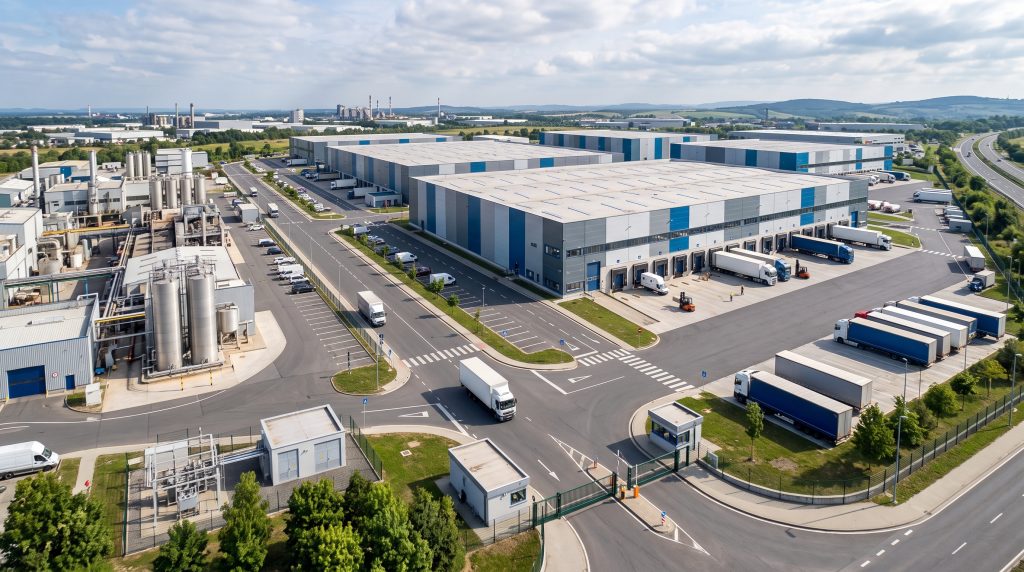
4.1 Warehouses and distribution centres
Problem
- Long aisles, constant forklift movement and airborne dust
- Pallet chips, wrapping and debris building up on the floor
- Limited time between last dispatch and first inbound of the next day
How FloorBotics robots help
- FloorBot Quad 800 runs mapped routes along aisles and open staging areas, sweeping, scrubbing, vacuuming and mopping in one pass.
- Routes are scheduled after peak activity so robots work in a calmer environment.
- Staff concentrate on dock plates, racking bases and problem spots instead of walking every aisle.
Result
- Cleaner, safer forklift routes
- Less overtime for “catch-up” cleaning
- More predictable standards for customer and safety audits
4.2 Manufacturing and industrial plants
Problem
- Oil drips, fine dust and production residue on concrete
- Narrow corridors around machinery
- Strict requirements for safe, unobstructed walkways
How FloorBotics robots help
- VRS 55 Enduro is configured for industrial corridors and production zones, working around equipment and columns.
- The 4-in-1 cleaning process removes dust, debris and light residues in a single cycle.
- Robots can run between production windows so cleaning does not interrupt operations.
Result
- More stable floor conditions, fewer slippery patches
- Less manual intervention for spill clean-up
- Stronger support for WHS inspections and safety culture
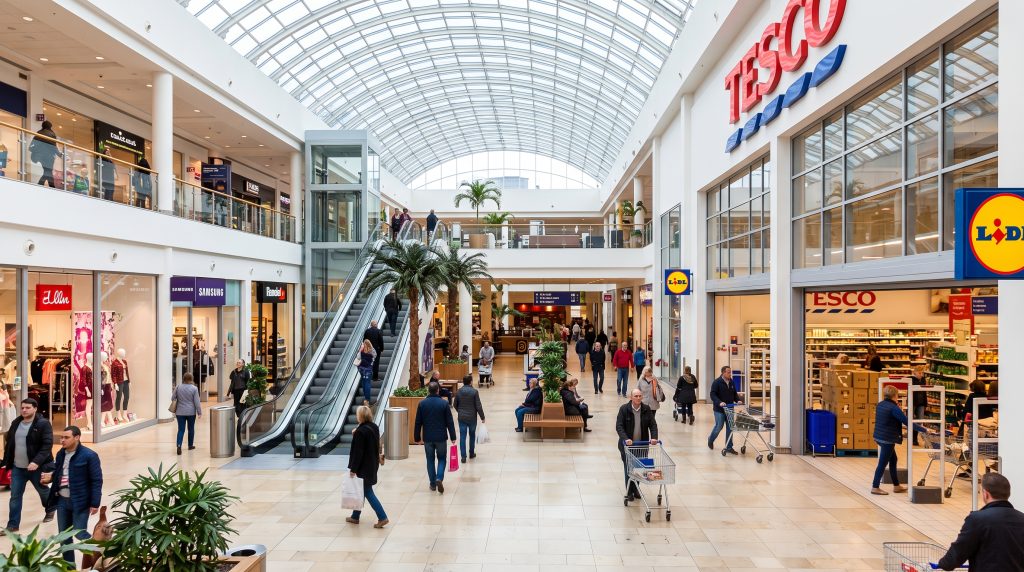
4.3 Retail and shopping centres
Problem
- High foot traffic, food spills and trolleys bringing in dirt from outside
- Tight windows before opening and after closing
- Strong expectations for cleanliness from customers and landlords
How FloorBotics robots help
- VR 35 Max works in smaller corridors and common areas.
- VR 55 Pro handles vacuuming, mopping and UV disinfection around entrances, food courts and key walkways.
- Robots maintain a high baseline of cleanliness while staff focus on toilets, glass, bins and fast spill response.
Result
- Presentable floors throughout the trading day
- Less pressure on staff at closing time
- Enhanced hygiene reputation for tenants and centre management
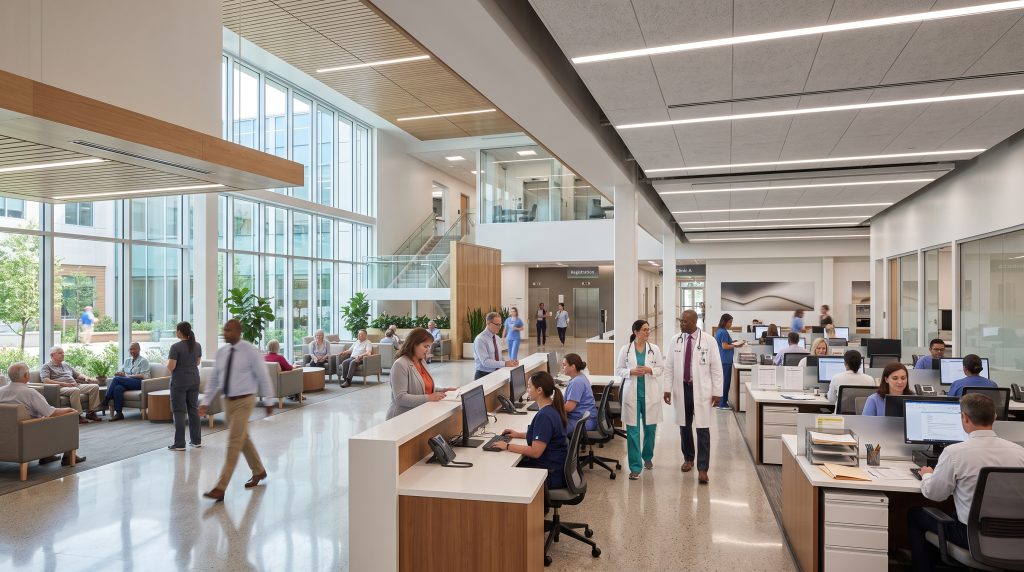
4.4 Healthcare and care facilities
Problem
- Strict hygiene expectations and infection control policies
- Busy corridors with trolleys, visitors and staff movements
- Limited time to clean between activities
How FloorBotics robots help
- VR 55 Pro combines vacuuming, mopping and UV disinfection on hard floors in corridors and shared spaces.
- Routes are configured around peak times to minimise disruption.
- Cleaning becomes frequent and consistent instead of sporadic.
Result
- Cleaner, drier floors that support hygiene goals
- Staff able to focus on patient care and detailed touchpoint cleaning
- Clear operational separation between clinical work and routine floor maintenance
4.5 Education and public buildings
Problem
- Large halls, gyms and long corridors
- High use during the day with limited access at night
- Tight budgets for staff and equipment
How FloorBotics robots help
- Quad 800 can cover gyms, halls and wide corridors outside of class times.
- VR series robots maintain smaller corridors and staff areas.
Result
- Higher cleaning frequency without adding extra shifts
- More predictable appearance for events, open days and inspections
4.6 Commercial offices and lobbies
Problem
- Staff and visitors judge the workplace quickly on first appearance
- Entrances collect dirt and moisture from outside
- Meeting rooms and break areas need quick turnover between uses
How FloorBotics robots help
- VR 35 Max or VR 55 Pro maintain lobbies, lift foyers and corridors overnight or early in the morning.
- Staff focus on desks, meeting rooms, kitchens and washrooms where robots are less suitable.
Result
- Consistently clean floors in high-visibility spaces
- Less last-minute scrambling before VIP visitors or events
5. Comparing different cleaning approaches
To see the efficiency gap clearly, it helps to compare common options side by side.
| Approach | Cleaning effectiveness | Consistency of results | Labour impact | Safety and slip risk | Ability to cover large areas | Long-term cost and productivity |
|---|---|---|---|---|---|---|
| Manual mopping | Basic soil removal, poor on heavy soil | Very variable | Very high. Entirely manual | Higher risk. Wet floors and missed debris | Low for industrial sites | Low equipment cost, very high labour cost |
| Conventional walk-behind scrubber | Good when used correctly | Depends on operator and frequency | High. Staff must guide machine at all times | Better than mopping if recovery is effective | Moderate if used regularly | Moderate equipment cost, ongoing labour and training |
| Consumer robot vacuum | Light dust only, no scrubbing or water recovery | Inconsistent in complex layouts | Low direct labour, limited impact | Does not manage wet floors or spills | Very limited in warehouses and plants | Low cost, low benefit for large facilities |
| FloorBotics commercial robots (VR series) | Strong on small to medium commercial floor areas | High on set routes and schedules | Low for routine coverage, staff supervise | Good, with better drying and regular cleaning | Good for offices and corridors | Higher upfront cost, clear labour efficiency gains |
| FloorBotics industrial robots (Quad 800, VRS 55 Enduro, Quad 1100) | High performance on industrial floors, 4-in-1 cleaning in one pass | Very high, process is repeatable | Low for coverage, staff handle detail work | Strong. Consistent cleaning supports WHS | Excellent for big warehouses and plants | Higher upfront cost, significant long-term savings |
The difference is simple. Manual tools and walk-behinds keep you stuck in a labour-heavy model. FloorBotics robots let you redesign how cleaning is delivered.
6. Why Quad 800 and VRS 55 Enduro are central for large sites

For serious industrial and logistics facilities, two models matter most.
- Quad 800 is the main large-area robotic floor scrubber. If you have long aisles and wide open staging zones, this is usually the first autonomous floor cleaning robot to consider.
- VRS 55 Enduro covers complex industrial corridors and areas that need endurance and manoeuvrability as well as strong scrubbing performance.
Many sites start with Quad 800 for the big, simple runs and add VRS 55 Enduro where conditions are tougher. The VR series then fills in offices and public-facing spaces. That layered approach keeps the system simple while giving you complete coverage.
If you want guidance for your specific facility layout, the FloorBotics support team can help match models to your floor areas, soil load and staffing pattern.
7. FAQ
1. How do FloorBotics robots differ from manual cleaning and traditional scrubbers?
Manual tools and walk-behinds rely on a person for every metre of progress. FloorBotics robots plan their own routes, move independently and repeat the same cleaning patterns every time. Staff supervise, maintain machines and focus on detailed work instead of physically pushing equipment for hours.
2. What is the difference between a compact robotic vacuum and mop and a large robotic scrubber?
Compact units such as VR 35 Max and VR 55 Pro are ideal for offices, corridors and smaller commercial areas with mixed hard floors and low-pile carpets. Large robotic scrubbers such as Quad 800, VRS 55 Enduro and Quad 1100 are built for industrial floors. They have bigger brushes, tanks and batteries and handle sweeping, scrubbing, vacuuming and mopping in one pass over very large areas.
3. Can FloorBotics robots operate safely around people and obstacles?
Yes. FloorBotics robots use sensors to detect people, stock, trolleys and forklifts. Cleaning routes are planned and no-go areas can be configured to keep machines away from stairs, dock edges or sensitive equipment. When an obstacle appears, robots slow or stop and adjust their path.
4. Which facilities benefit most from FloorBotics robots?
Any facility where floor cleaning consumes a lot of time is a strong candidate. Warehouses, distribution centres, manufacturing plants, shopping centres, healthcare and care facilities, schools, universities and commercial office towers all see real gains once repetitive floor work is automated.
5. Can FloorBotics robots help reduce labour pressure and after-hours cleaning work?
Yes. By taking over the predictable sections of the job, autonomous robots reduce the number of hours people spend on basic floor coverage. Robots can run early, late or overnight without overtime cost. Teams stay smaller, fatigue is lower and managers have more flexibility in how they roster staff.