For many facility managers, floor cleaning used to be a background task. As long as the site looked acceptable and accidents were rare, it stayed low on the priority list. That has changed.
Today, large commercial and industrial facilities face a combination of pressures. Cleaning labour is harder to source and retain. Floor areas are getting larger as warehouses, logistics hubs and mixed-use buildings expand. Safety expectations are higher, with slip risks closely tied to WHS compliance. At the same time, stakeholders expect consistent presentation every day, not just after a deep clean.
Manual mopping struggles to keep up with these demands. Walk-behind scrubbers improve productivity but still depend on staffing levels and operator consistency. Consumer robot vacuums appear attractive on paper but quickly fall short in real commercial environments.
This is why autonomous industrial cleaning robot technology is now firmly on the radar for facility managers. These systems are not about replacing cleaning teams. They are about stabilising cleaning quality, reducing operational risk and making floor maintenance predictable again.
Understanding how this technology works and where it fits is essential before making any investment decision.
1. The Core Problems Facility Managers Are Trying to Solve
Labour availability and fatigue
Cleaning remains physically demanding. High staff turnover leads to variable results. Fatigue affects coverage, especially during long shifts or after-hours cleaning.
Inconsistent cleaning outcomes
Manual processes depend heavily on individual technique. Missed zones, uneven water usage and variable drying times are common in large sites.
Safety and compliance risks
Wet floors increase slip hazards. Oil, dust and fine debris in industrial settings amplify the risk if not managed consistently.
Scale and time pressure
Warehouses, production floors and public facilities often exceed thousands of square metres. Cleaning these areas manually takes time that many operations no longer have.
Autonomous floor cleaning robots are designed specifically to address these challenges through repeatable processes rather than human endurance.
2. What Makes an Industrial Cleaning Robot Truly Autonomous
Not all robotic cleaners are equal. True autonomy in an industrial context requires more than basic obstacle avoidance.
Environment mapping and navigation
Commercial-grade robots map spaces accurately and follow programmed routes. This ensures full coverage rather than random movement.
Scheduled and repeatable operation
Autonomous robots operate on fixed schedules. This delivers the same result every cycle, regardless of staffing changes.
Integrated cleaning functions
Industrial environments demand more than vacuuming. Sweeping, scrubbing, vacuuming and mopping often need to happen in a single pass.
Safe operation in live environments
Robots must detect obstacles, adjust paths and operate safely around people, forklifts and fixed infrastructure.
These capabilities separate professional autonomous cleaning robots from consumer devices.
3. Where FloorBotics Fits in the Technology Landscape
FloorBotics focuses on autonomous floor cleaning robots built for commercial and industrial use. Their systems are designed around real facility constraints rather than ideal conditions.
Instead of offering one generic robot, FloorBotics provides a range of models that scale from compact commercial spaces to large industrial sites.
FloorBot VR 35 Max

The VR 35 Max is a compact autonomous robotic vacuum and mop designed for small to medium commercial environments.
What facility managers gain:
- Consistent daily vacuuming and mopping
- Autonomous navigation for predictable coverage
- Reduced reliance on manual spot cleaning
- Compact design suited to corridors, offices and retail areas
It is often used as an entry point into robotic cleaning where space is limited but consistency matters.
FloorBot VRS 55 Enduro
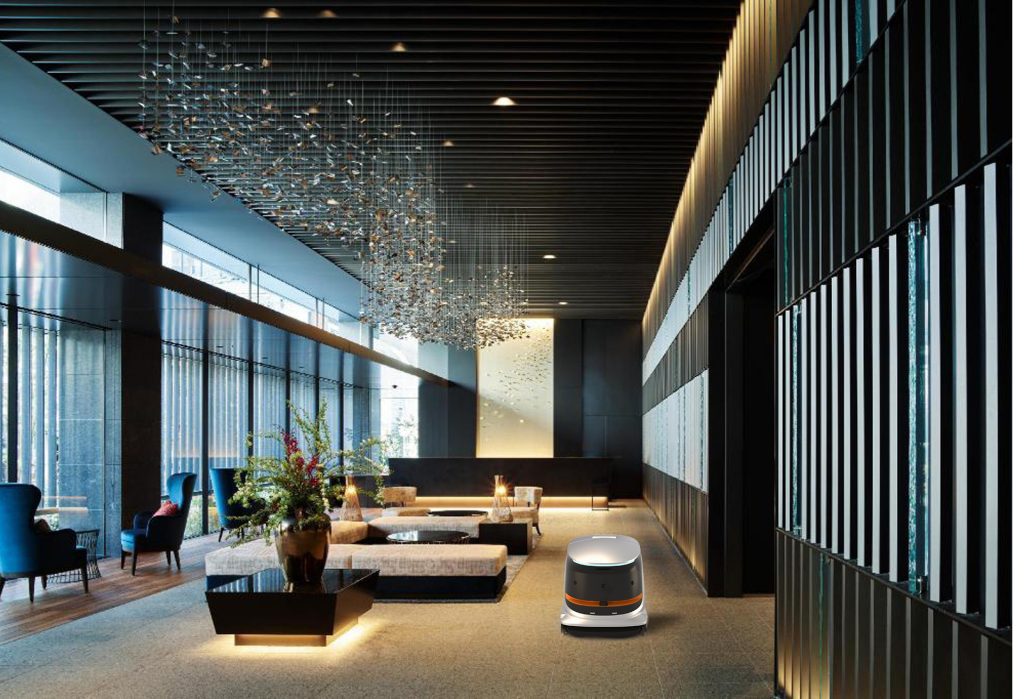
The VRS 55 Enduro is designed for industrial endurance.
It delivers:
- Sweeping, scrubbing, vacuuming and mopping in one pass
- Long-hour autonomous operation
- Reliable handling of dust, debris and residue
- Consistent performance across large industrial floors
This robot reduces dependency on ride-on scrubbers in manufacturing and logistics environments.
FloorBot Quad 800 and Quad 1100

https://floorbotics.com.au/floorbot-quad-800

https://floorbotics.com.au/floorbot-quad-1100
The Quad series is built for scale.
Facility managers benefit from:
- Large-area autonomous coverage
- 4-in-1 cleaning functionality
- Long runtime for extended shifts
- Stable performance in wide, open spaces
These models are commonly used in warehouses, shopping centres and large distribution facilities.
4. How Autonomous Cleaning Improves Workplace Efficiency
Predictable cleaning cycles
Robots clean according to programmed routes and schedules. This removes variability and reduces the need for rework.
Better use of cleaning staff
Staff can focus on detail work, spot cleaning and supervision rather than repetitive floor scrubbing.
Reduced downtime
Autonomous robots can operate after hours or during low-traffic periods without requiring supervision.
Improved safety outcomes
Controlled water usage and consistent drying times reduce slip risk across the site.
Efficiency gains come from stability, not speed alone.
5. Industry-Specific Applications
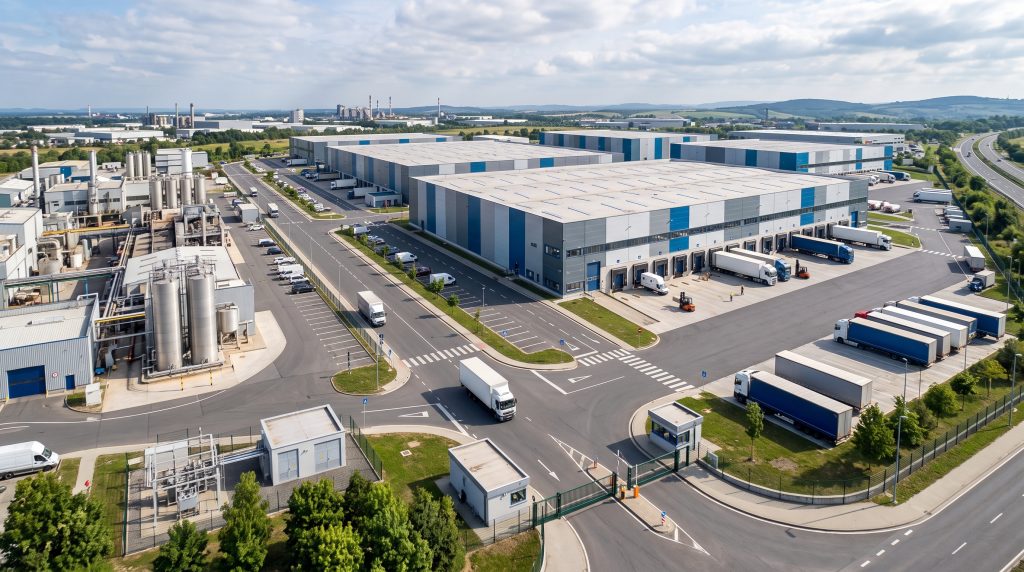
Warehouses and distribution centres
Long aisles accumulate dust and debris quickly. Quad series robots maintain consistent floor conditions across large areas without interrupting operations.
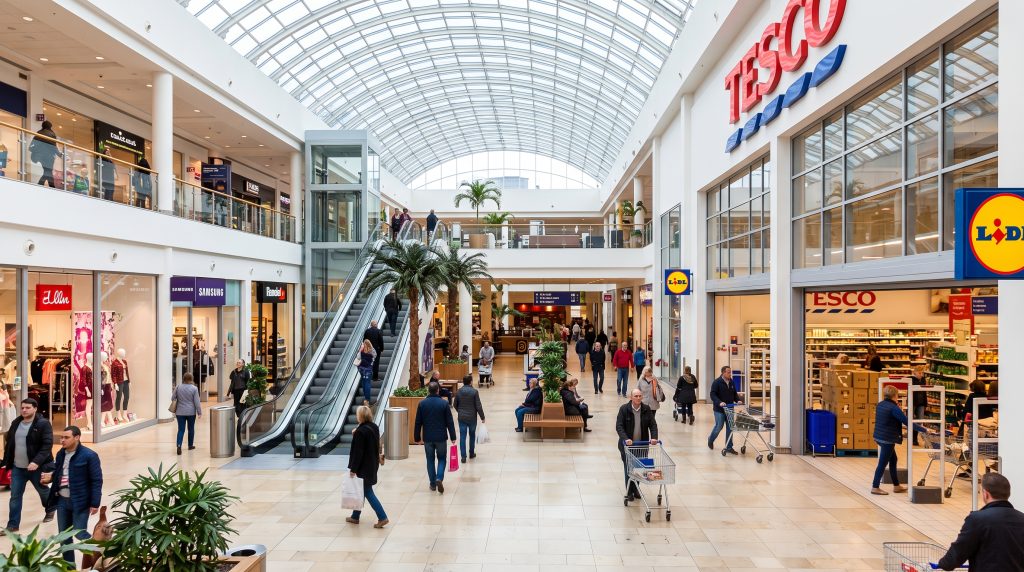
Retail and shopping centres
High foot traffic creates constant presentation challenges. VR series robots maintain corridors and food court areas during off-peak hours.
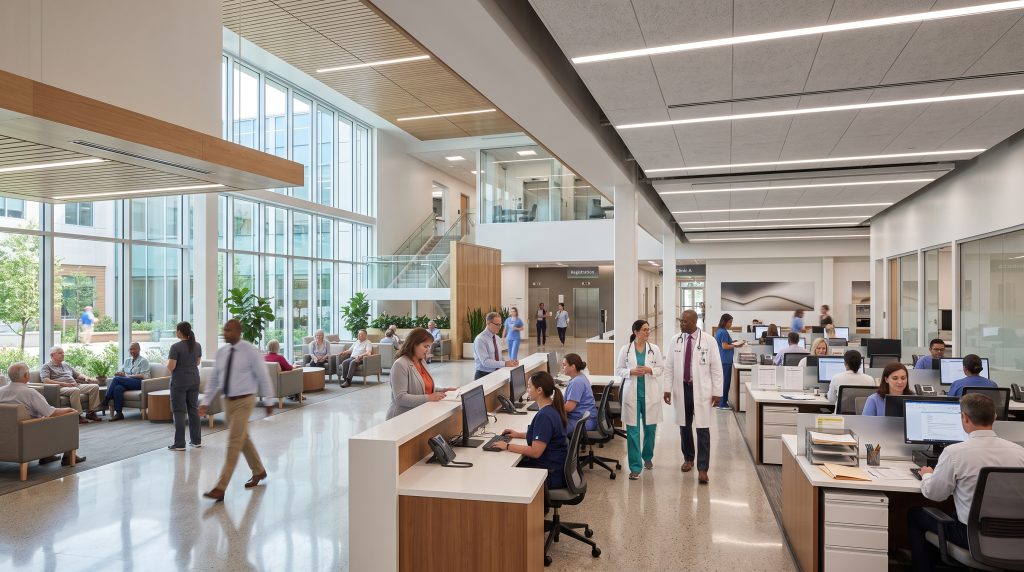
Healthcare and care facilities
Corridors and shared areas require repeatable cleaning. The VRS 55 Enduro supports scheduled cleaning with central oversight.
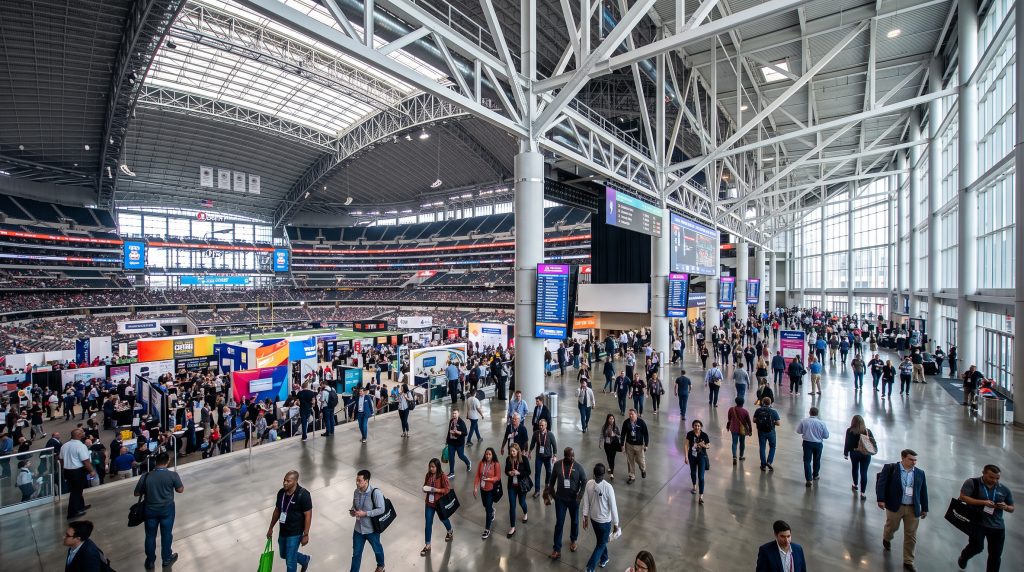
Education and public buildings
Large common areas demand frequent cleaning. Autonomous robots maintain standards without disrupting daily use.
6. Comparing Cleaning Approaches
| Approach | Consistency | Labour Dependence | Safety Control | Area Coverage |
|---|---|---|---|---|
| Manual mopping | Low | High | Variable | Limited |
| Walk-behind scrubber | Moderate | Medium | Operator dependent | Moderate |
| Consumer robot vacuum | Low | Low | Limited | Small |
| FloorBotics VR series | High | Reduced | Controlled | Small to medium |
| FloorBotics industrial robots | Very high | Significantly reduced | Designed for live sites | Large-scale |
Autonomous industrial robots stand out where consistency, safety and scale matter most.
7. What Facility Managers Should Evaluate Before Adoption
- Floor size and layout
- Type of debris and contamination
- Required cleaning frequency
- Interaction with staff and visitors
- Integration with existing cleaning teams
Automation works best when introduced strategically rather than all at once.
Closing: A Practical Shift in Floor Cleaning Strategy
Autonomous industrial cleaning robot technology is no longer experimental. It is a practical response to labour pressure, safety requirements and the growing scale of modern facilities.
FloorBotics robots provide facility managers with predictable cleaning outcomes, improved safety and better use of staff time. Instead of chasing daily cleaning issues, managers gain a system that delivers consistent results in the background.
For most sites, the first step is identifying where manual cleaning struggles the most and introducing automation there. From that point, efficiency gains become measurable and repeatable.
Frequently Asked Questions
How do autonomous industrial cleaning robots differ from traditional scrubbers?
They operate independently using mapped routes and schedules, delivering consistent results without relying on operator availability.
Are autonomous robots suitable for busy facilities?
Yes. They are designed to operate safely around people and obstacles in live environments.
What is the difference between compact robots and industrial robotic scrubbers?
Compact robots suit smaller commercial spaces. Industrial scrubbers are built for large areas and continuous operation.
Can autonomous robots reduce after-hours cleaning?
Yes. They allow routine cleaning to occur without dedicated staff presence.
Which facilities benefit most from this technology?
Warehouses, manufacturing plants, healthcare facilities, education buildings, retail centres and large offices benefit the most.
If you want, I can next write a deep-dive article focused specifically on warehouses or manufacturing sites, or create a buyer’s checklist for facility managers evaluating autonomous cleaning robots.